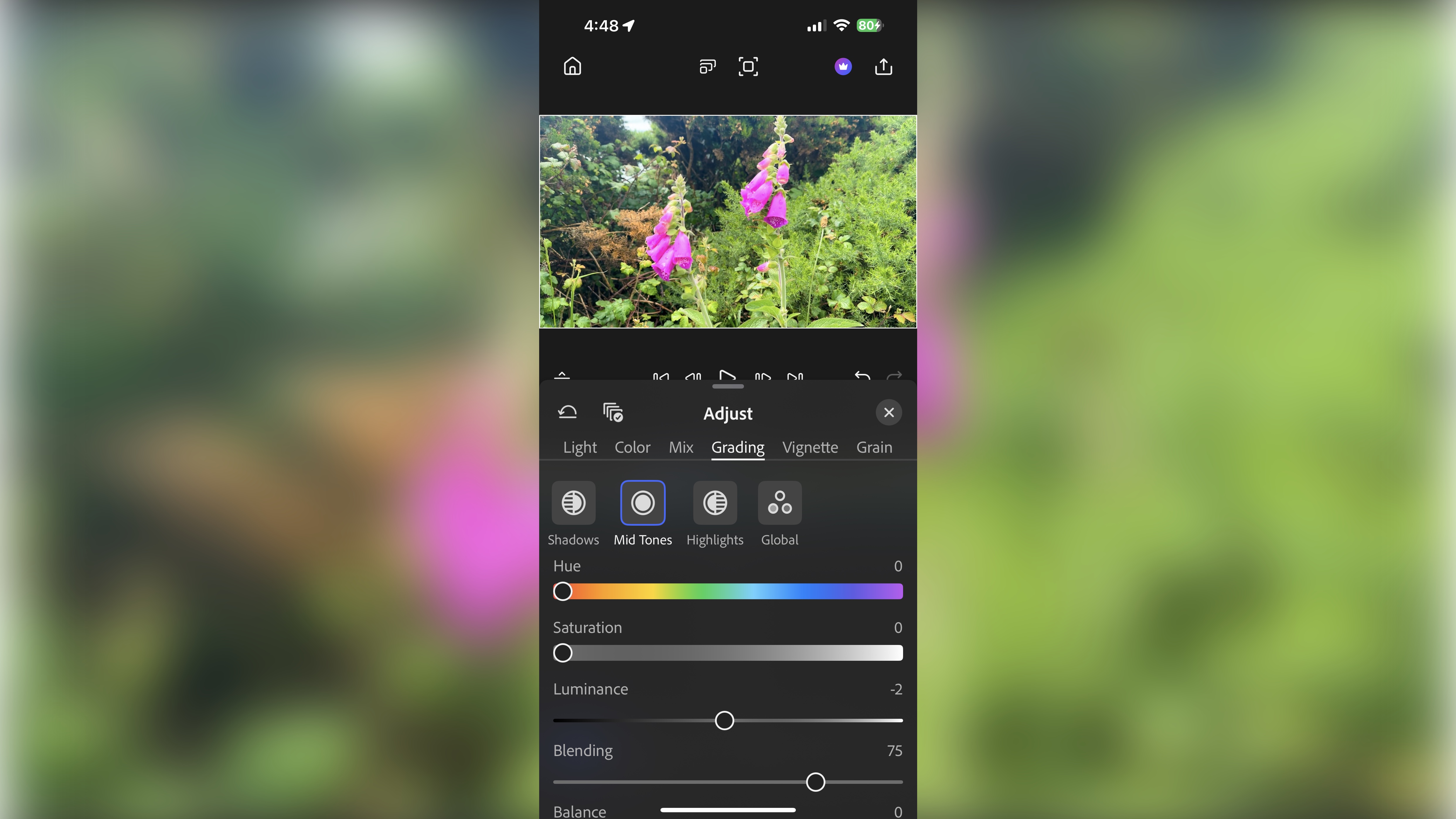
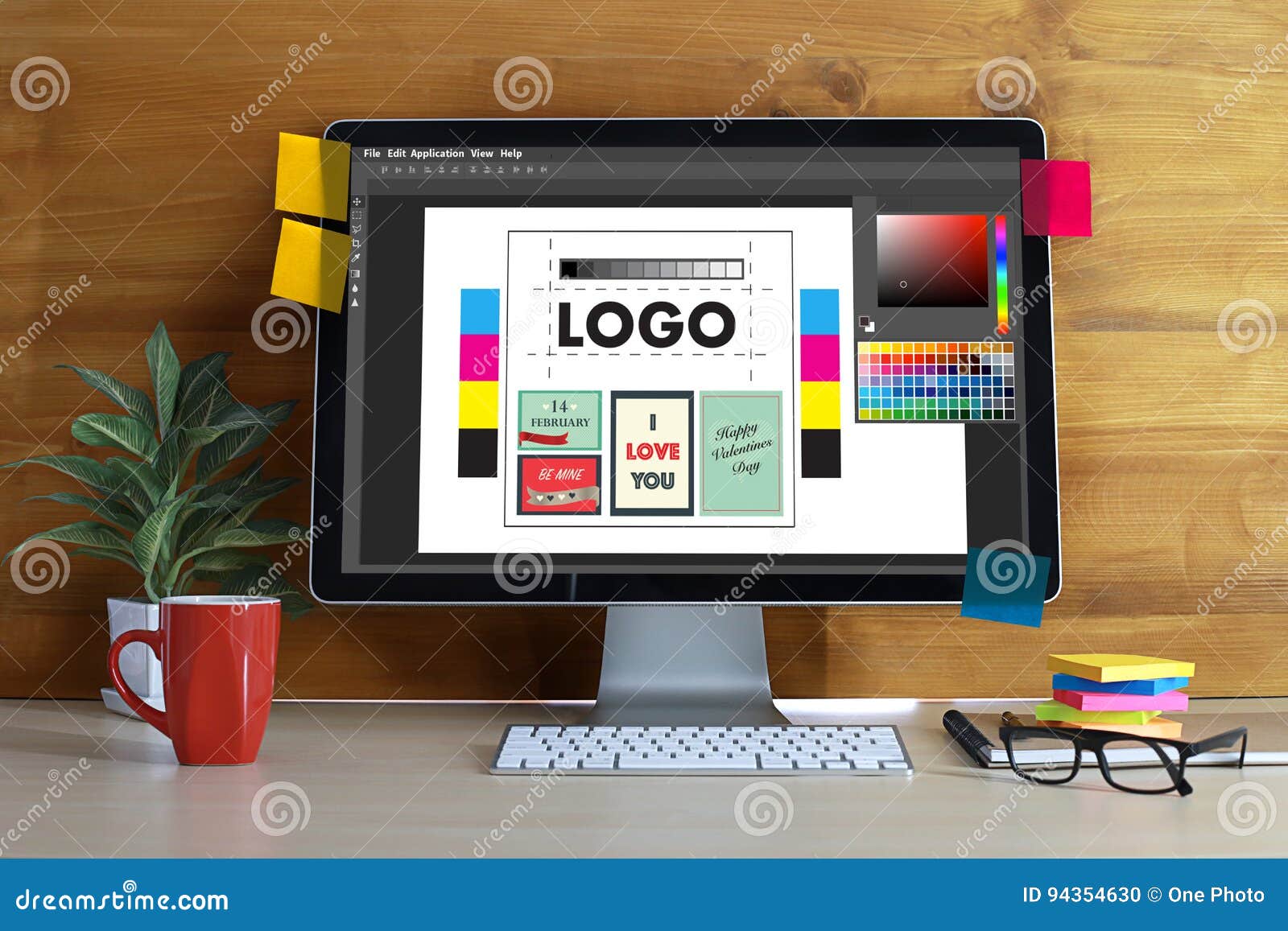
Organisations now publish across more channels than any brand in history — and most of them look different everywhere. One designer made the flyer, a volunteer made the WhatsApp broadcast, an intern made the reel, and each used the logo differently. The audience sees no pattern, and without pattern there is no memory.
Recognition is repetition with variation
A brand becomes recognisable when its elements recur in disciplined ways: the same type family, the same colour logic, the same photographic tone, the same way of cropping the logo. Not identical layouts — disciplined variation. That is what a design system delivers: enough rules to be recognisable, enough flexibility to be alive.
The hidden cost of one-off design
Every unsystematic design makes the next one slower. Without shared templates and rules, each new asset debates colour, type and layout from scratch — usually under deadline, usually ending in the loudest voice in the room. Systems turn those debates into decisions made once.
What we deliver instead of a logo
Our identity work always ends with the things a team actually uses: usage guidelines, colour and type rules, and editable templates for the recurring formats — flyer, post, presentation, banner. The measure of the project is not how the launch item looks; it is how the item a staff member makes alone, six months later, still looks like you.