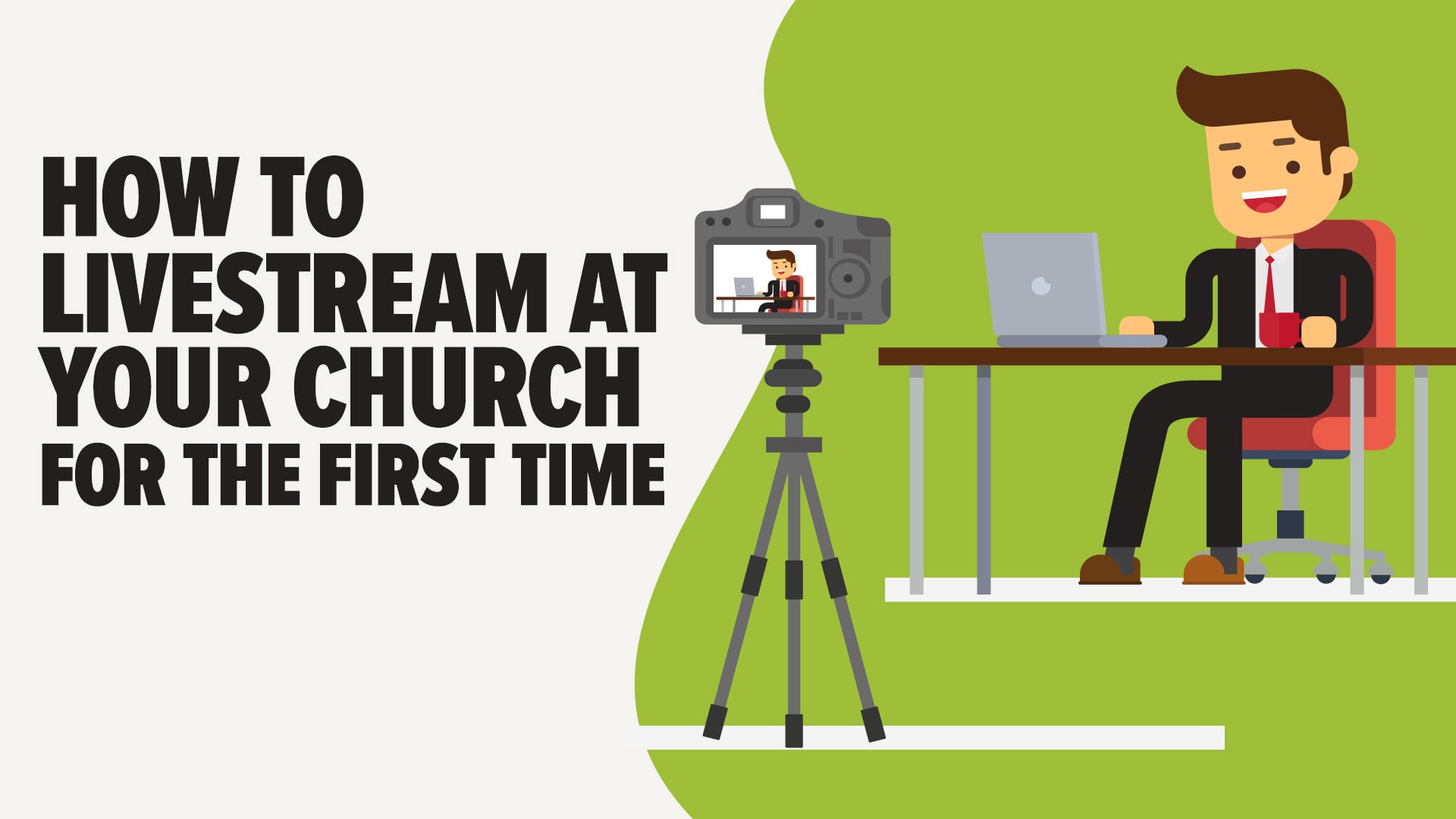
We produce church streams every week, and the pattern is consistent: the congregations that grow an online audience are rarely the ones with the most equipment. They are the ones with a plan. Before buying anything, decide what your stream is for — reaching absent members, ministering to a global audience, or simply archiving services — because that decision shapes every technical choice downstream.
Audio is the first upgrade
Viewers forgive an average picture; they never forgive bad sound. Feed the stream from your sound desk rather than a camera microphone, and if the worship team uses in-ear monitors, plan a separate mix for the broadcast — room sound and front-of-house sound are different products. A dedicated broadcast mix is the single biggest quality leap most church streams can make.
Direction over camera count
Three cameras with nobody directing them produce a worse programme than two cameras and someone switching with intent. Assign a director whose only job is calling shots. Cut to faces when the message is emotional; hold wide when the room is the story. Give the online audience the moments they would choose to watch if they were seated in the building.
Consistency builds audience
Same time, same link, same quality — every week. Publish the replay the same day, with meaningful titles and timestamps. An online congregation forms around reliability long before it forms around production polish.
When to bring in a team
For weekly services, the most sustainable model is often your trained volunteers running a well-designed setup, with our team providing consultation, graphics and remote direction. For conferences, conventions and Easter or Christmas programmes, bring in full multi-camera production — the occasion justifies the craft, and the recordings become content for months afterwards.